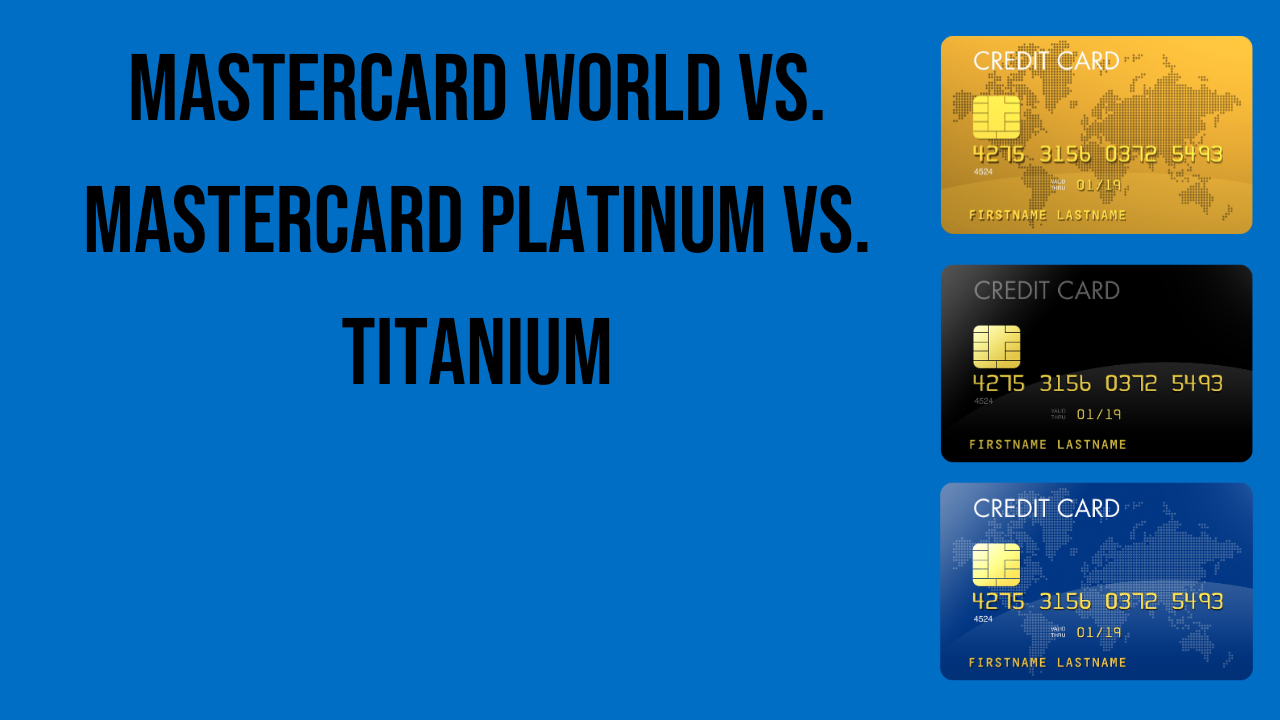
Mastercard World vs. Mastercard Platinum vs. Titanium
/
Mastercard World vs. Mastercard Platinum vs. Titanium: Which One Should You Choose?
If youre applying for your first credit card in the Philippines, youve probably seen different Mastercard options like Titanium, Platinum, and World. But whats the difference, and which one is best for you?
Choosing the right credit card can save you money and unlock perks that match your lifestyle. Whether youre a beginner looking for basic payment convenience, a frequent traveler, or someone who loves cashback and rewards, knowing how these Mastercard tiers differ is the key to making the right choice.
In this guide, well cover:
What Mastercard Titanium, Platinum, and World mean
Their benefits, annual fees, and eligibility
Which type fits beginners best
A free calculator to compare costs before applying
What Are Mastercard Credit Card Tiers?
Mastercard offers different credit card tiers designed for various income levels and spending habits. These tiers arent issued directly by Mastercard; instead, Philippine banks like BDO, BPI, Metrobank, and Security Bank provide these cards under Mastercards network.
Heres a quick breakdown:
Card Type
Tier Level
Target Users
Best For
Mastercard Titanium
Entry-Level
First-time cardholders
Everyday shopping & bills
Mastercard Platinum
Mid-Tier
Regular spenders
Travel perks & higher credit limits
Mastercard World
Premium
High-income earners
Luxury benefits & exclusive access
Mastercard Titanium: The Beginner-Friendly Option
Mastercard Titanium is designed for first-time credit card users who want a simple, reliable, and affordable way to manage payments.
Key Features
Lower annual fees (1,000 2,500)
Lower income requirement (15k 25k monthly)
Basic rewards programs
Widely accepted locally and internationally
Perfect for online shopping, bills payment, and everyday purchases
Best For
Students or young professionals starting to build credit
Beginners who want lower fees and less strict requirements
People who mostly use cards for daily spending
Mastercard Platinum: The Lifestyle Upgrade
If you spend more on travel, dining, and shopping, Mastercard Platinum offers better perks than Titanium while maintaining reasonable fees.
Key Features
Annual fees range from 3,000 7,000
Higher credit limits (80k 300k+ depending on the bank)
Mastercard World is designed for high-income earners who want luxury perks, exclusive benefits, and top-tier customer service.
Key Features
High annual fees (8,000 20,000+)
Highest credit limits (500k 1M+)
Complimentary airport lounge access
Priority concierge services
Extensive travel and purchase protection insurance
Exclusive discounts on hotels, airlines, and luxury brands
Better foreign currency conversion rates
Best For
High-income professionals and business owners
Frequent international travelers
People who want the best travel and lifestyle perks
Key Differences Between Mastercard Titanium, Platinum, and World
Feature
Mastercard Titanium
Mastercard Platinum
Mastercard World
Annual Fee
1,000 2,500
3,000 7,000
8,000 20,000+
Credit Limit
20k 80k
80k 300k
500k 1M+
Rewards
Basic points
Better rewards + promos
Premium rewards & miles
Travel Perks
None
Lounge access (limited)
Full luxury perks
Income Requirement
15k 25k
40k 70k
150k+
Best For
First-time users
Lifestyle spenders
Luxury travelers
Quick Tip: If youre applying for your first credit card, start with Mastercard Titanium or Platinum. Upgrade to World later once your income and spending grow.
How to Choose the Right Mastercard
Heres a simple decision guide:
Choose Titanium If you want a low-maintenance starter card
Choose Platinum If you want better rewards and occasional travel perks
Choose World If you want luxury experiences and dont mind high annual fees
Hospital delivery in the Philippines can easily cost ₱60,000 - ₱200,000 depending on the hospital and type of delivery.
Many parents use a credit card to manage these expenses while waiting for their SSS maternity benefits.