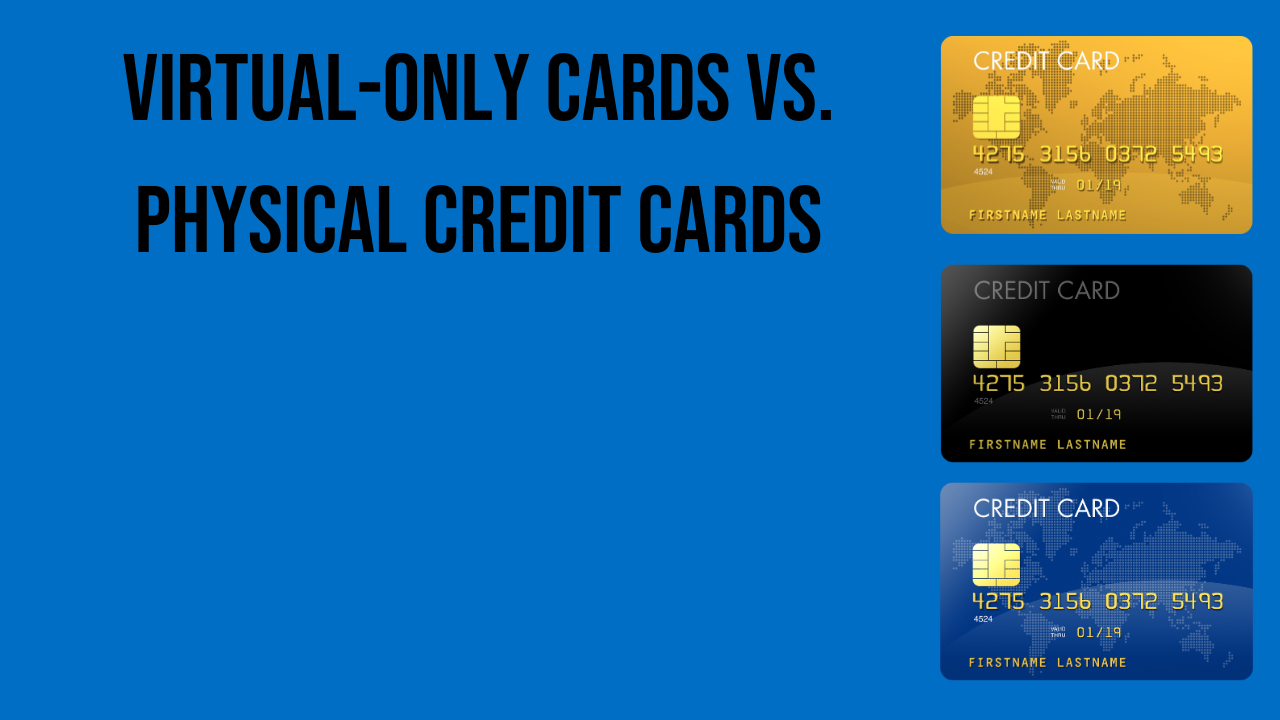
Virtual-Only Cards vs. Physical Credit Cards: Which Is Better for First-Time Users in the Philippines?
If youre planning to get your first credit card, youre probably wondering: Should I get a virtual-only card or stick with a physical credit card?
With online shopping, digital wallets, and cashless payments becoming more popular in the Philippines, understanding the difference between virtual and physical credit cards is important. Each option has its own pros, cons, and ideal use cases, especially for first-time users.
This guide will help you understand how both work, their benefits, and which one is better for your lifestyle plus tips on how to apply and manage your first credit card wisely.
What Is a Credit Card and How Does It Work?
A credit card is a payment tool that lets you borrow money from a bank to make purchases or pay bills, as long as you pay it back on or before the due date.
Heres how it works:
You get a credit limit (the maximum amount you can spend).
You can use the card for in-store or online purchases.
At the end of the billing cycle, youll receive a statement of account.
You can pay in full or pay the minimum amount but paying in full avoids interest charges.
For example: If your credit limit is 20,000 and you use 5,000 for online shopping, you still have 15,000 available.
Virtual-Only Credit Cards vs. Physical Credit Cards
Both options let you spend on credit, but they differ in form, usage, and accessibility. Lets break it down:
Feature
Virtual-Only Card
Physical Credit Card
Form
Digital no plastic card issued
Plastic card delivered to you
Best For
Online shopping, app payments, subscriptions
In-store shopping, travel, emergencies
Usage
Works on websites & apps only
Works online + in-store
Security
Generally safer; harder to clone
Risk of loss, theft, or skimming
Delivery Time
Instant activation
510 business days
Annual Fees
Often lower or waived
Usually higher
Examples
BPI eCredit, UnionBank GoCash, GCash AMEX
BDO Mastercard, Metrobank Visa, Security Bank Platinum
Advantages of Virtual-Only Credit Cards
Virtual cards are becoming more popular in the Philippines, especially for Gen Z, freelancers, and online shoppers. Heres why:
1. Faster Approval and Activation
You can apply online and get approved within minutes.
No need to wait for courier delivery.
2. Safer for Online Shopping
Virtual cards use temporary card numbers in some cases.
Better protection against credit card cloning and fraud.
3. Perfect for Subscriptions and Apps
Works best for Netflix, Spotify, Grab, Foodpanda, Shopee, Lazada, and other online services.
Advantages of Physical Credit Cards
Despite the growth of digital banking, physical credit cards are still essential, especially for first-time users who need flexibility.
1. Accepted Everywhere
Can be used in malls, restaurants, travel bookings, and abroad.
Many establishments in the Philippines still prefer physical cards for verification.
2. Better for Emergencies
If your Gcash or Paymaya app fails, a physical credit card works as a backup.
Useful during power outages or network downtimes.
3. Access to Installment Plans
Many big-ticket purchases (like appliances, gadgets, and travel packages) require physical card swiping to avail 0% installment offers.
Which Is Better for First-Time Credit Card Users?
If youre applying for your first credit card in the Philippines, heres my recommendation:
Choose a virtual-only card if:
You mainly shop online or pay via apps.
You want faster approval and lower annual fees.
You want better fraud protection.
Choose a physical credit card if:
You frequently shop in malls or dine out.
You want access to installments and travel perks.
You need a backup payment option when apps fail.
Pro Tip: For flexibility, you can start with a physical card that also offers a linked virtual card. Many banks now provide this feature.
How to Apply for Your First Credit Card in the Philippines
Applying for your first card can feel overwhelming, but its simpler than you think.
Basic Requirements
Must be at least 21 years old.
Valid government-issued ID.
Proof of income (payslip, ITR, or COE).
Minimum annual income (180,000 to 250,000, depending on the bank).
Steps to Apply
Choose your card type virtual-only, physical, or both.
Check the eligibility requirements of your preferred bank.
Apply online or in-branch.
Wait for approval virtual cards are instant; physical cards take a few days.
Activate your card and start using it responsibly.
Managing Your First Credit Card Wisely
Having a credit card is convenient, but mismanagement can lead to debt.
Tips for First-Time Users
Always pay on time to avoid late fees and interest.
Use your credit limit wisely avoid maxing it out.
Track your monthly expenses to stay within budget.
Hospital delivery in the Philippines can easily cost ₱60,000 - ₱200,000 depending on the hospital and type of delivery.
Many parents use a credit card to manage these expenses while waiting for their SSS maternity benefits.