What Is a Credit Card and How It Works in the Philippines
/
What Is a Credit Card and How It Works in the Philippines
First-time credit card user? Dont worry this guide is for you!
Credit cards can feel intimidating, especially if youve never had one before. But understanding how they work can actually help you manage your finances, build your credit score, and enjoy perks like rewards points, cashback, and installment options.
In this guide, well break down everything you need to know about credit cards in the Philippines from what they are, how they work, their benefits, risks, and how to apply for your first one.
What Is a Credit Card?
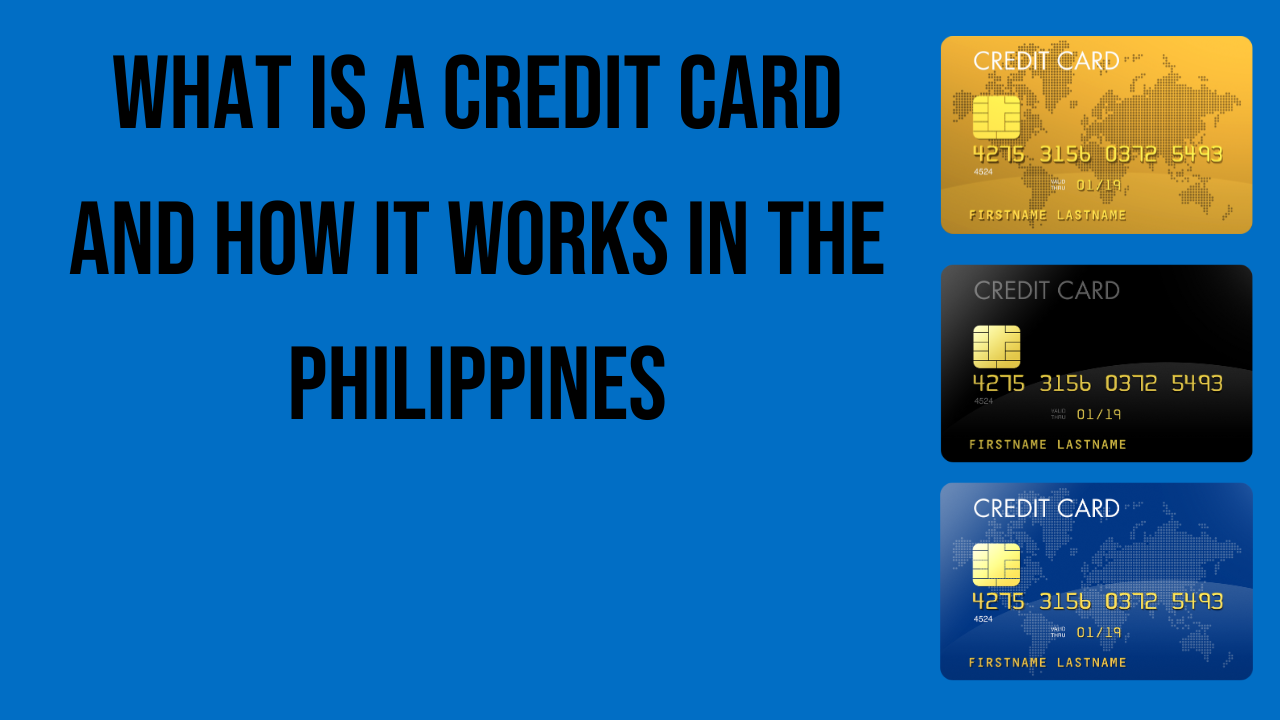
A credit card is a financial tool issued by banks or financial institutions that lets you borrow money to pay for purchases, bills, or services. Unlike a debit card, which uses your own money from your bank account, a credit card lets you spend first and pay later.
Example:
You buy a 5,000 pair of shoes today using your BDO credit card.
You have until your due date (e.g., 3045 days later) to pay back that amount without interest if you pay in full.
If you only pay a partial amount, the bank charges interest on the remaining balance.
How Does a Credit Card Work in the Philippines?
To understand how a credit card works, you need to know these four key concepts:
1. Credit Limit
This is the maximum amount you can spend using your card.
Example: If your credit limit is 30,000, you cannot spend beyond that.
2. Billing Cycle & Due Date
Billing cycle The period when your credit card transactions are recorded (usually 30 days).
Due date The deadline for payment after your billing cycle ends.
Example:
Billing cycle: Sept 1 Sept 30
Due date: Oct 15
3. Minimum Payment
This is the smallest amount you must pay before the due date to avoid penaltiesⓘ. However, paying only the minimum will result in interest charges on your remaining balance.
4. Interest Rates
In the Philippines, credit cards usually have a monthly interest rate of around 3%. If you always pay your full balance on or before the due date, you avoid paying interest completely.
Pro Tip: Use our Credit Card Cost Calculator to estimate how much interest youll pay if you dont settle your balance in full.
Benefits of Having a Credit Card
Having a credit card can be extremely useful, especially if you manage it wisely. Here are the top benefits:
1. Builds Your Credit History
Banks track your payment habits. Consistently paying on time helps build a good credit score, making it easier to get approved for loans or higher credit limits.
2. Emergency Fund
Need to pay hospital bills or book a last-minute flight? A credit card can help you cover urgent expenses when you dont have enough cash.
Ignoring hidden fees Watch out for annual fees, late fees, and foreign transaction charges.
Credit Card Fees You Should Know
Fee Type
Average Amount
When Charged
Annual Fee
1,000 5,000
Yearly
Late Payment Fee
850
Missed due date
Overlimit Fee
500
Exceeding limit
Cash Advance Fee
3% 5% of amount
Withdrawing cash
Foreign Transaction
1% 3%
Overseas usage
TL;DR (Quick Summary)
A credit card lets you borrow money to pay for purchases, and as long as you pay on time, you can avoid interest and enjoy rewards. Its a powerful tool but only if you manage it responsibly.
Hospital delivery in the Philippines can easily cost ₱60,000 - ₱200,000 depending on the hospital and type of delivery.
Many parents use a credit card to manage these expenses while waiting for their SSS maternity benefits.